Radioactivity

What is radioactivity?

The property of certain unstable atoms to transform into other stable or less unstable atoms.

Types of radioactivity

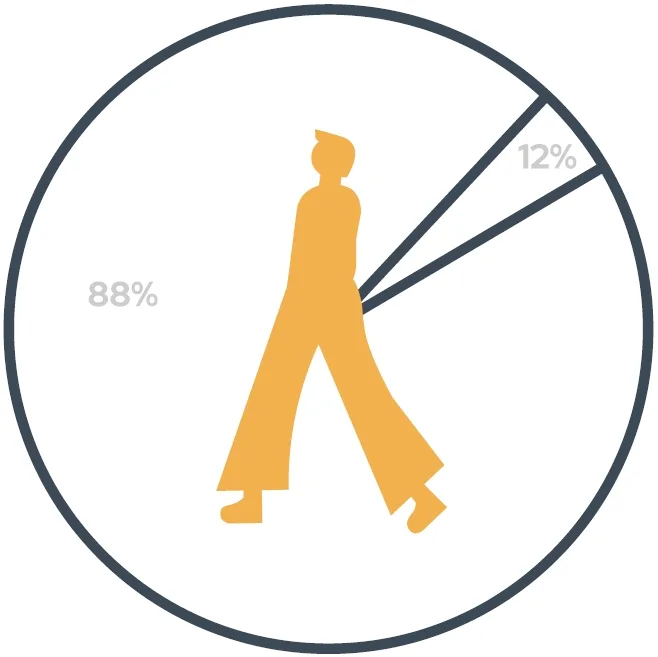
Radioactivity may be of natural or artificial origin.

  • 88% Natural radioactivity (cosmic radiation + Earth’s crust).
  • 12% Artificial radioactivity (human applications)

Radioactivity close up

As well as existing in nature, radioisotopes are also used in various spheres of our life. From Research to Medicine, radioactivity has enabled major developments over the course of history.

Type of waste received at El Cabril

Low- and Intermediate Level-Waste (LILW)

Its radioactivity is halved in less than 30 years.

Low- and Intermediate Level-Waste (LILW)

Its radioactivity is halved after a period of 5 years, given its low radioactive content.

The time it takes for the activity of radioactive wate to halve.

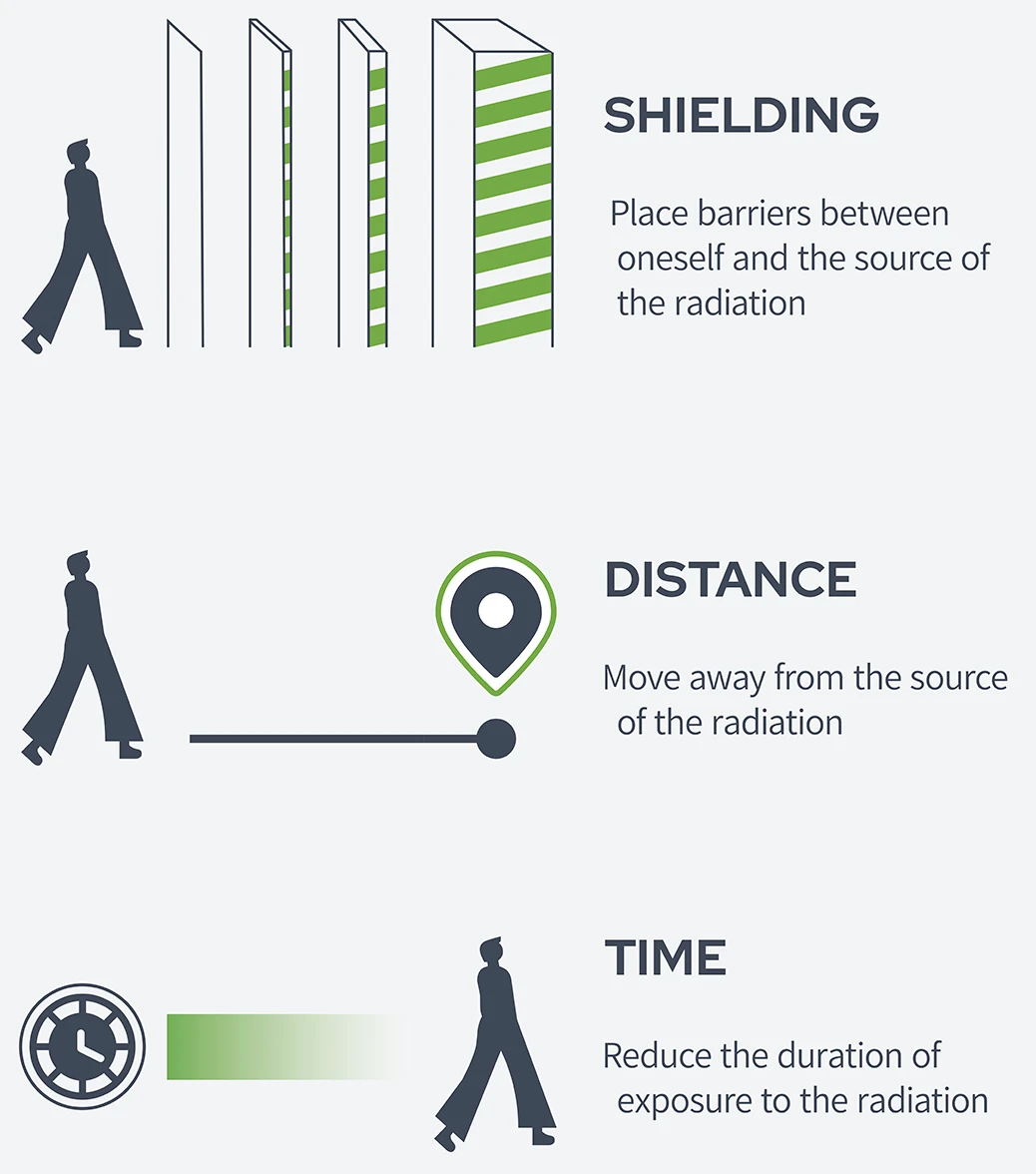
How do we protect ourselves against ionising radiation?

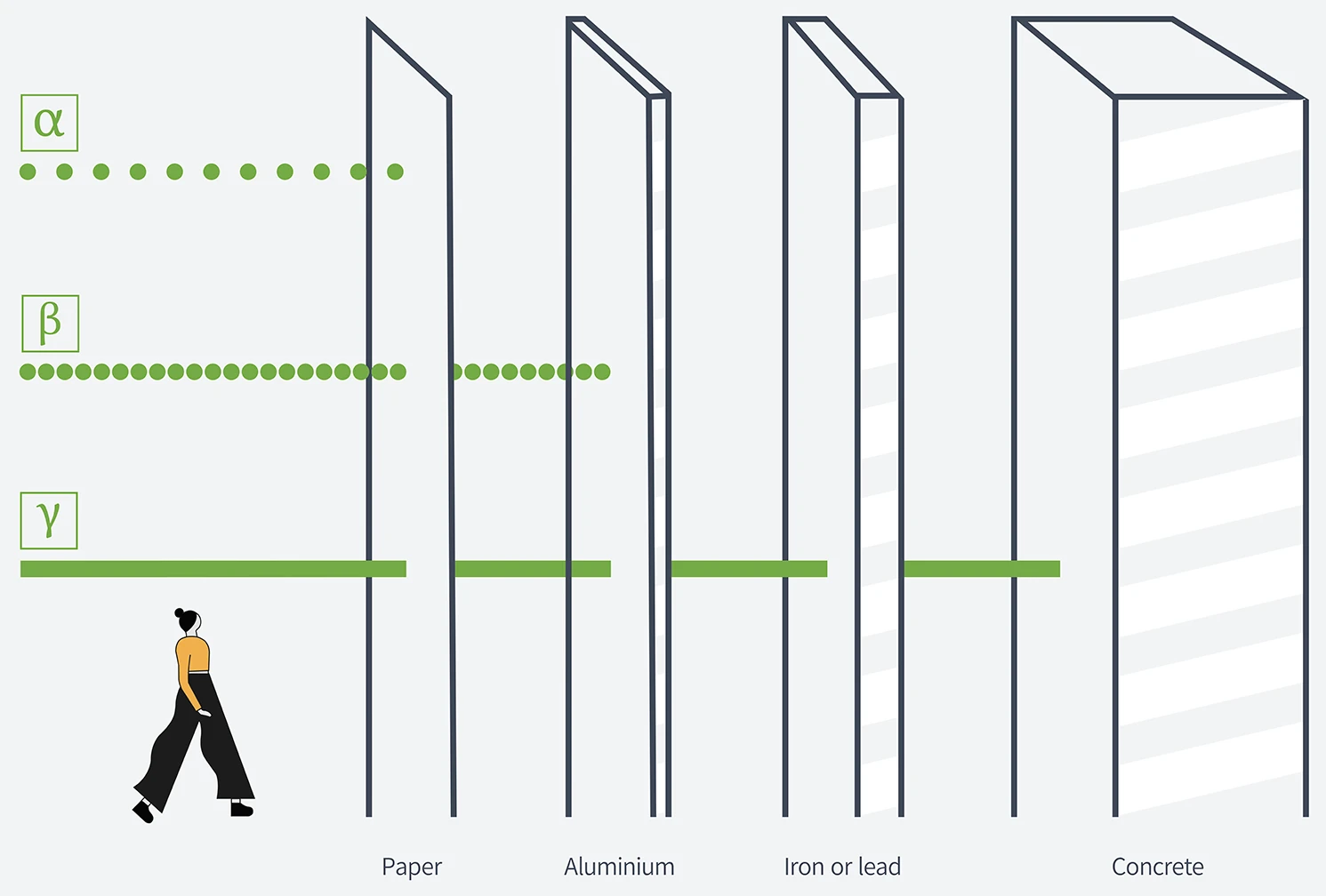
Types of radiation

  • Alfa: emission of two protons and two neutrons, with very low penetration capacity.
  • Beta: emission of electrons with somewhat higher penetration capacity.
  • Gamma: emission of two electromagnetic waves with high penetration capacity.

Basic principles of radiological protection

Waste transportation

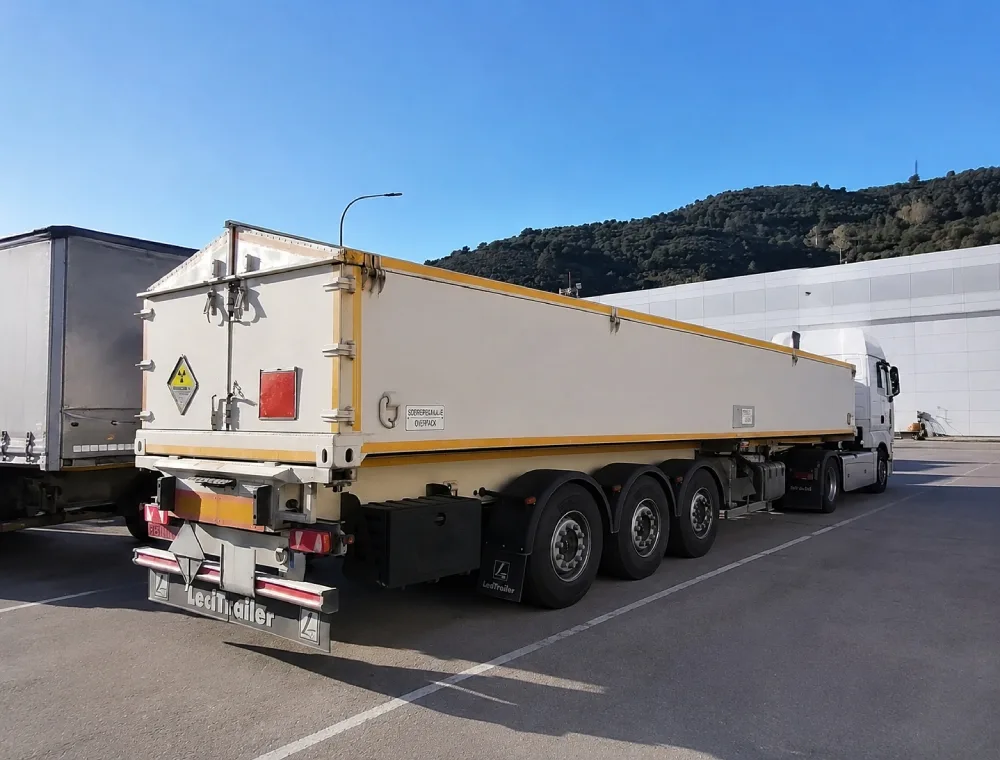
The waste is transported to El Cabril by road.

It complies with the European Agreement on the Carriage of Dangerous Goods.

Regulatory containers. Vehicles with specific safety systems. Continuous, specialised driver training

Every year, some 300 shipments of radioactive waste arrive at El Cabril from all over Spain.

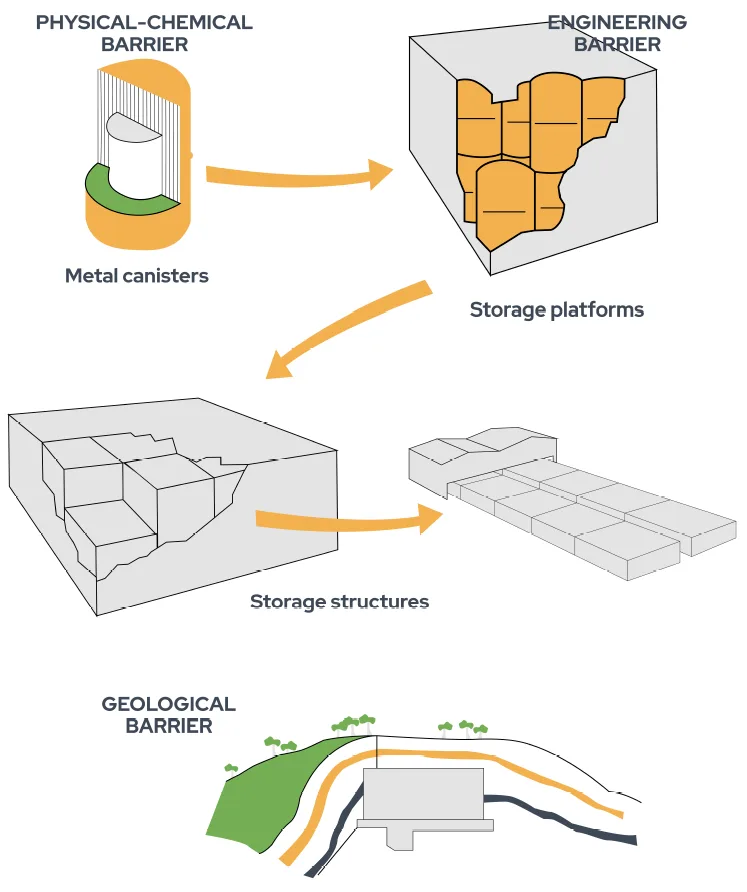
Disposal system

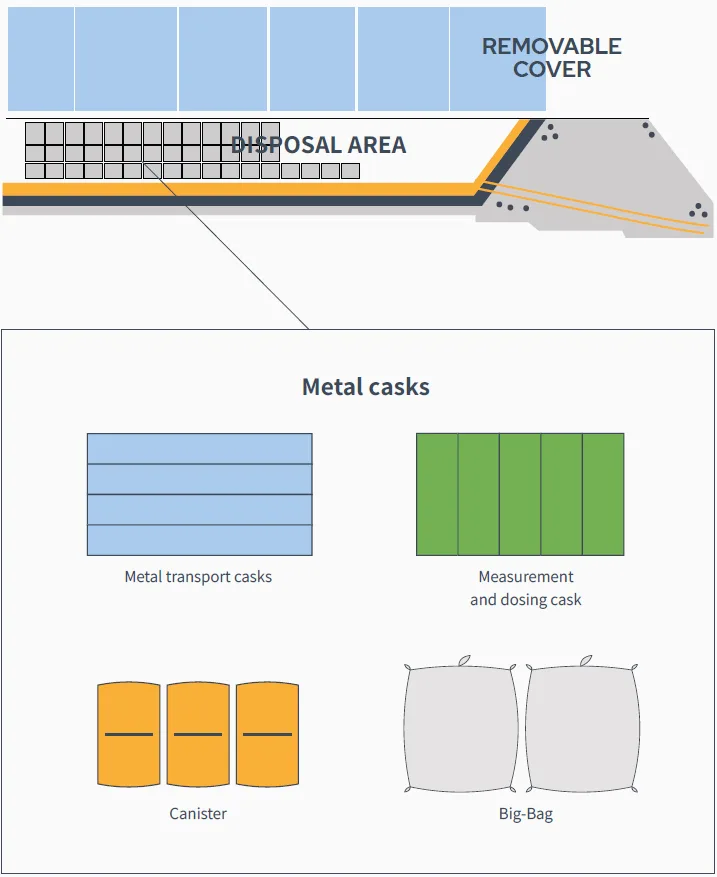
El Cabril has platforms for the disposal of low- and intermediate-level waste, and specific structures for very low-level waste

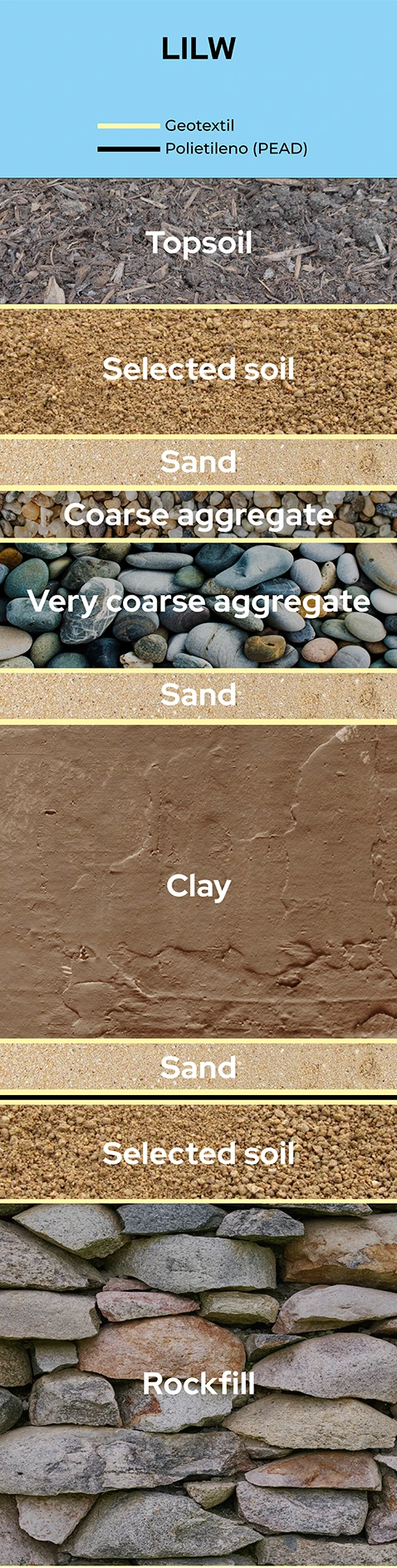
Management of Low- and Intermediate-Level Waste (LILW)

Low- and intermediate-level waste comprises various materials with moderate activity, which do not generate heat and have a relatively short radioactive life.

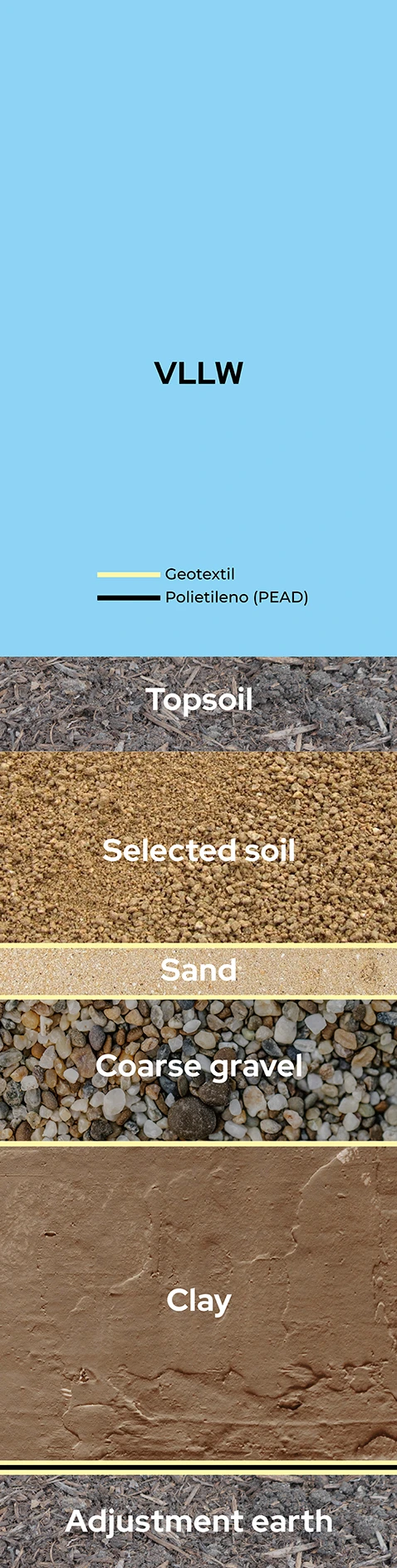
Management of Very Low-Level Waste (VLLW)

Solid or solidified materials with an average radioactivity level below certain authorised limits.

Prior to collection, Enresa  verifies that the waste complies with the transport regulations and the technical specifications of El Cabril, so as to guarantee safe management. From the point at which it is generated up until its storage, radioactive waste undergoes a conditioning process which depends on its physical-chemical and radiological characteristics.

The topsoil cover of El Cabril

The topsoil cover of El Cabril Once all the structures of a platform are complete, they will be given a final covering made up of different permeable and waterproofing layers, ending in a final layer of topsoil, so as to blend into the surroundings.

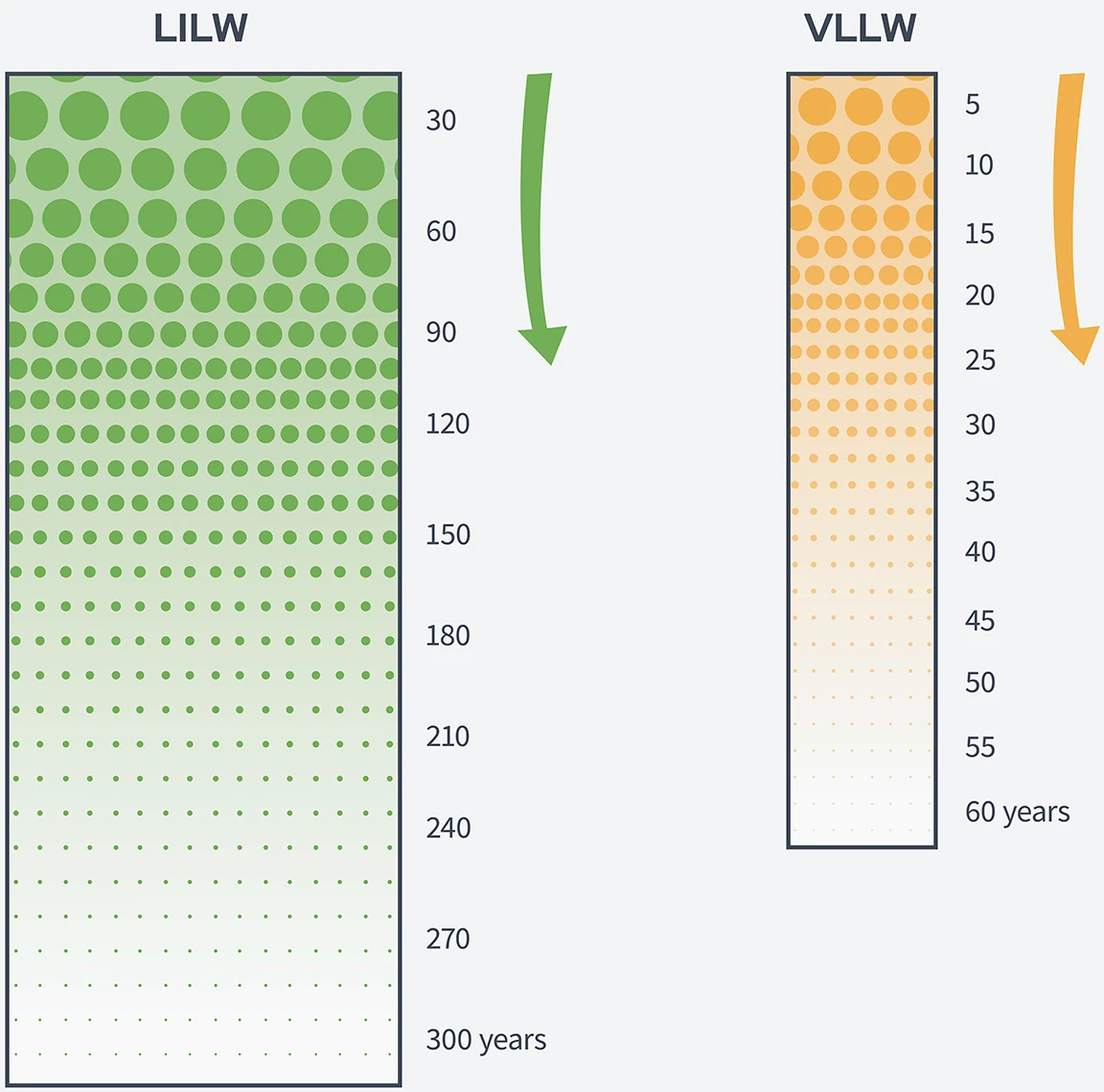
At this point the site monitoring and control phase begins, lasting an estimated 300 years for LILW and 60 years for VLLW.

Safety of people and their surroundings

The facility will be kept under monitoring until the waste disposed of there naturally decays to a level of activity equivalent to that found in nature itself.

Ready for the future

The El Cabril Disposal Centre provides the solution for very low-, low- and intermediate level waste management in Spain. The “Southeast Platform”, located on the hillside of Los Pavillos, completes the site’s storage capacity for the future.

The Sierra Albarrana

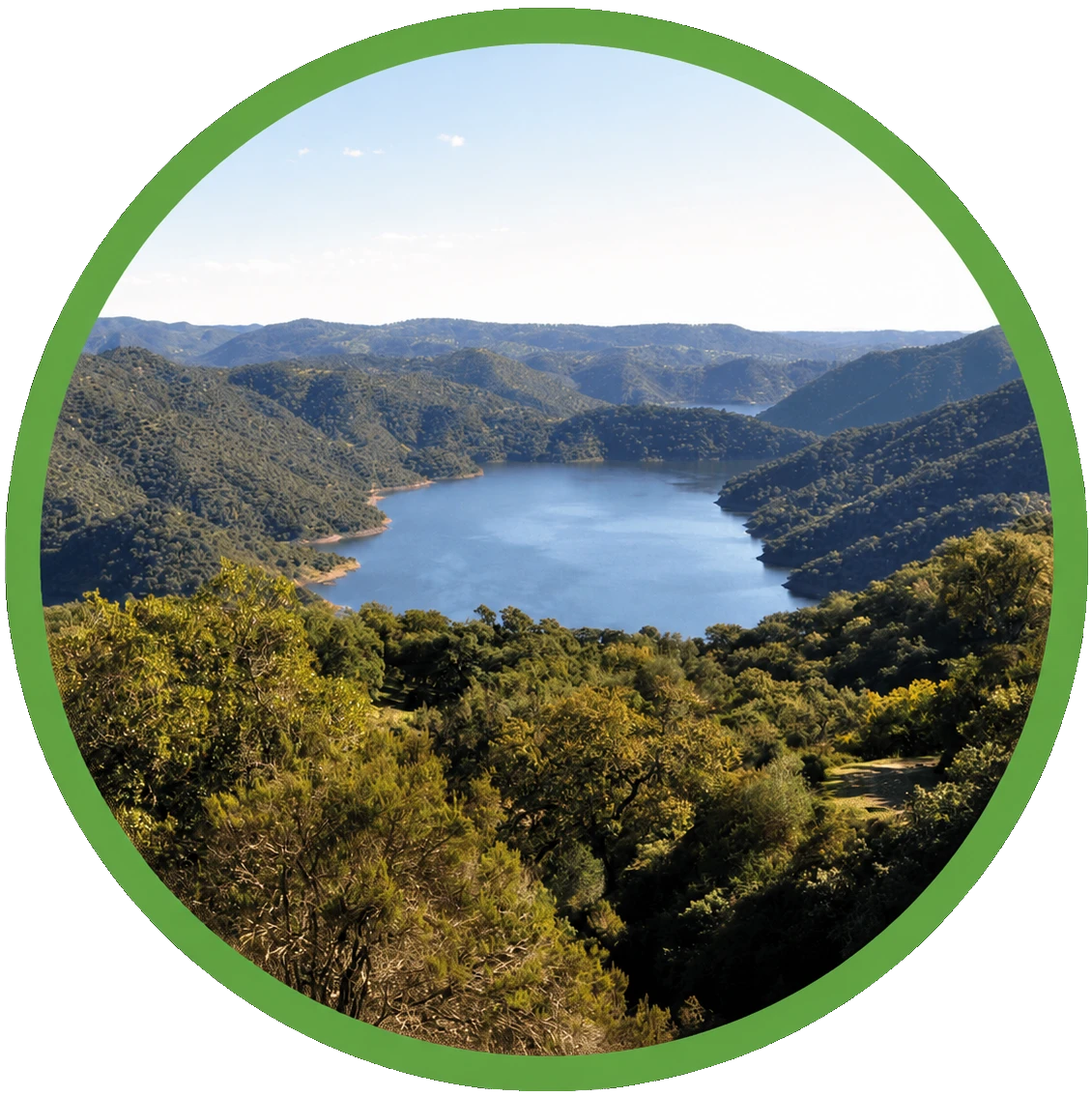
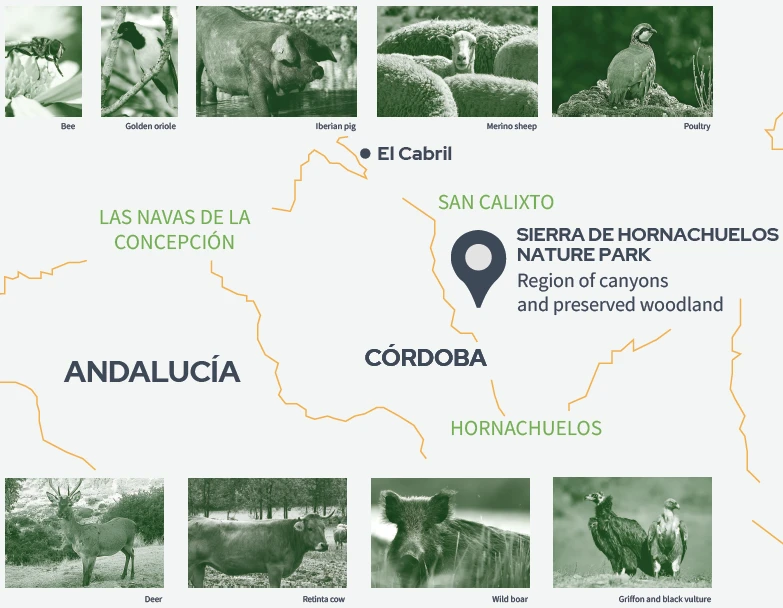
The Sierra Albarrana mountains stand in the north-west of the province of Cordoba, close by the Sierra de Hornachuelos Nature Park, an outstanding example of Mediterranean woodland which has remained intact for centuries.

Its 60,000 hectares of holm, cork and kermes oaks, hawthorns, rock roses and brooms are watered by the Rivers Bembézar, Guadiato and Retortillo. The dehesa is a form of Mediterranean landscape lightly wooded with holm oaks, a distinctive element of the local culture. Its traditional use as pasture allows indigenous and domesticated species to coexist, a hallmark and cornerstone of the regional upland economy.